2026
Goûtu
Come with an appetite
Entre deux mers - La Sauve - Saint Germain de Grave - Le Tourne
GOÛTU
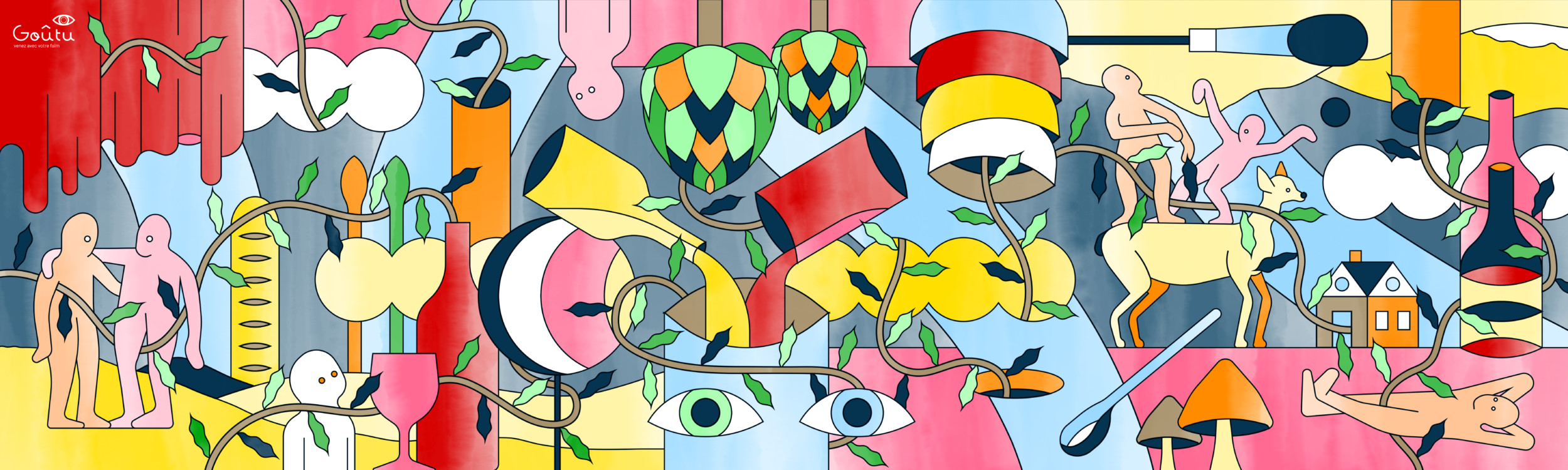
Is an experience to be shared—a blend of storytelling, performance, and culinary delights for 100 people.
This year, GOÛTU explores the Entre-deux-Mers region and invites artists to imagine this collective experience where we “taste” the region through listening—with appetite and great pleasure.
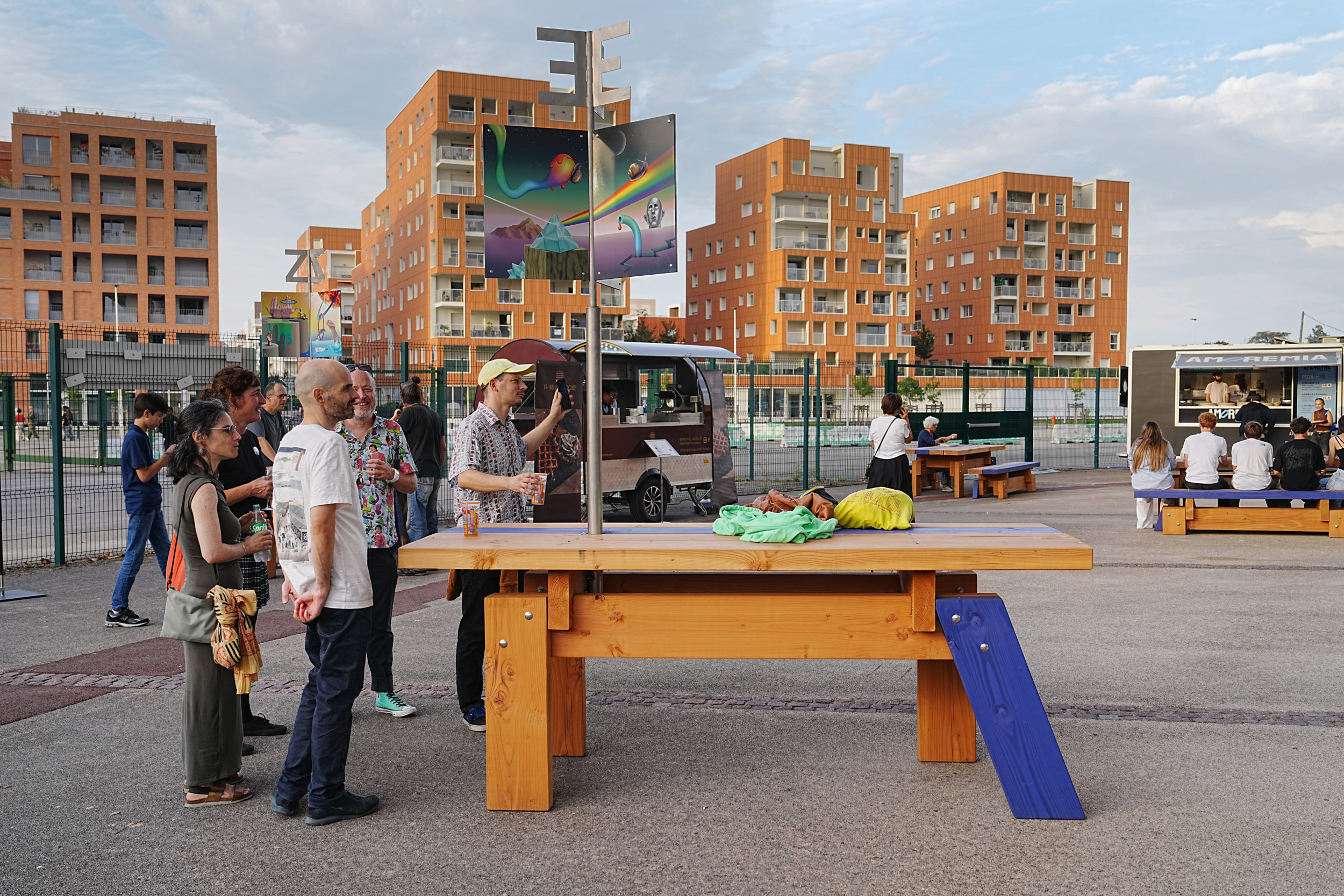
GOÛTU features a modular set design created by Bruit du frigo, ranging from a long communal table to more intimate tables, a circular agora, or a winding layout. The set design adapts and takes on different formats to suit each context.
GOÛTU is a collaborative initiative with three cultural organizations from the Entre-deux-Mers region—Larural, Acrocs Production, and Les Chantiers Tramasset—a space for cooperation and mutual support that forges connections between art, agriculture, food, and citizens.
This year, GOÛTU welcomes Fanny Maugey, a visual artist, and Maxime Potard, a writer and actor from the Muertococo collective.
Maxime Potard and Fanny Maugey invite you to listen to the story of a journey—like the end of a transhumance—in which you will be the heroes and heroines. You arrive at a place, and there’s no one there. Almost no one. You’re hungry. You feel good; you feel at home. That’s a stroke of luck. If you do nothing, nothing will happen to you—rest assured. But you’re hungry, and there are many of you—what will you all set out to do together?
So, you’re going to do something.
An experience at the intersection of performance, dining, and play.
GOÛTU, come with your appetite—3 events:
June 20 at Château Latorse, La Sauve with Larural
June 24 at Château Chatard, Saint-Germain-de-Grave with Acrocs production (cancelled due to the heat wave)
June 27 at the Tramasset sites, Le Tourne with les Chantiers Tramasset
This project is co-funded by the Interreg-Sudoe 2021–2027 programme. Pilot scheme implemented as part of the project RELIGHT, cultural lighthouses for rural competitiveness and sustainable tourism



Last
projects
> all projectsAt the crossroads of art, territories and populations, our approach aims to promote the transition to sustainable, shared and welcoming cities, by proposing alternative ways of imagining and building our living environment and by exploring new forms of public space.
Come with an appetite
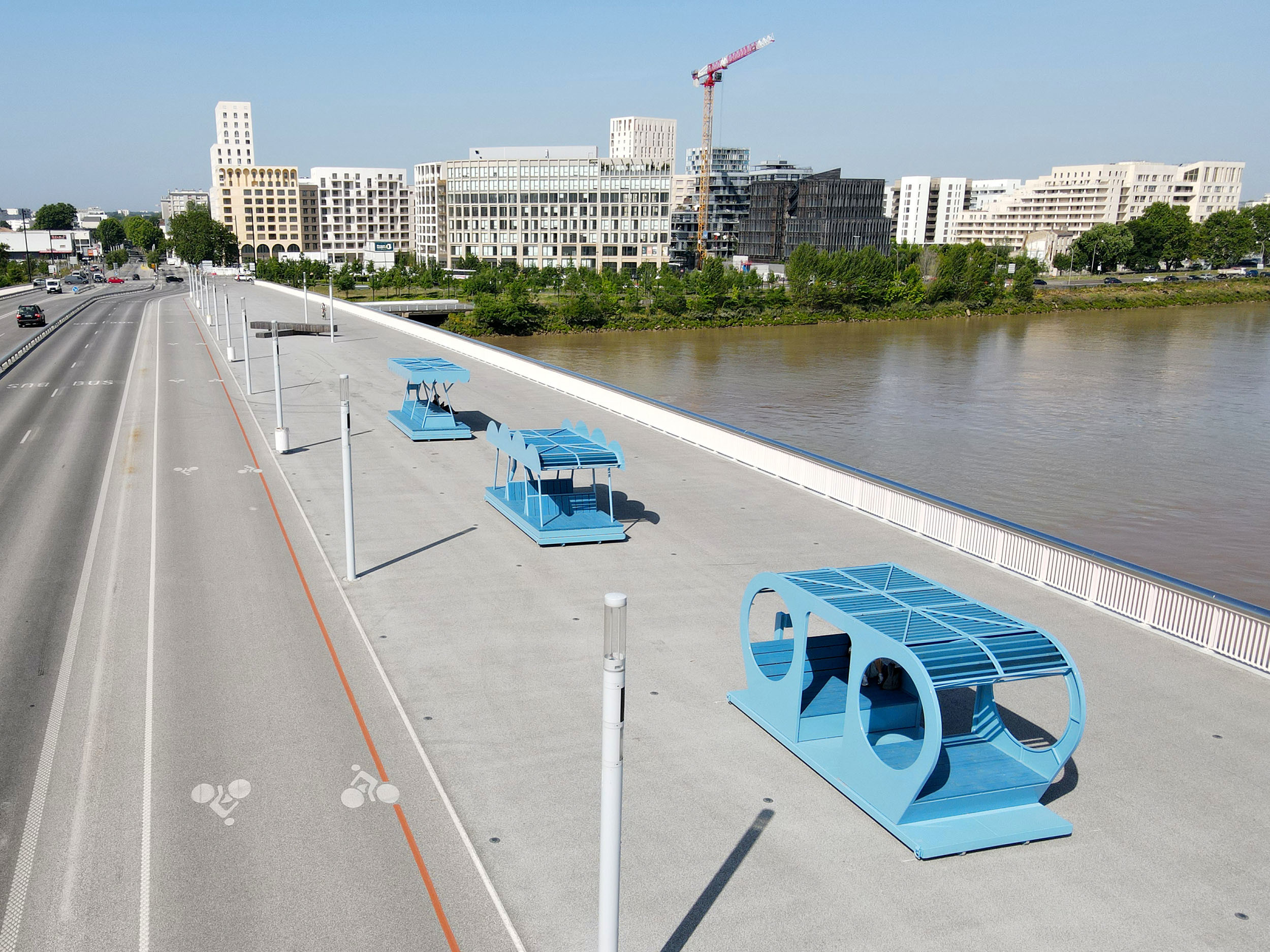
E’POP!
Espaces Publics Ombragés Portatifs Bordeaux
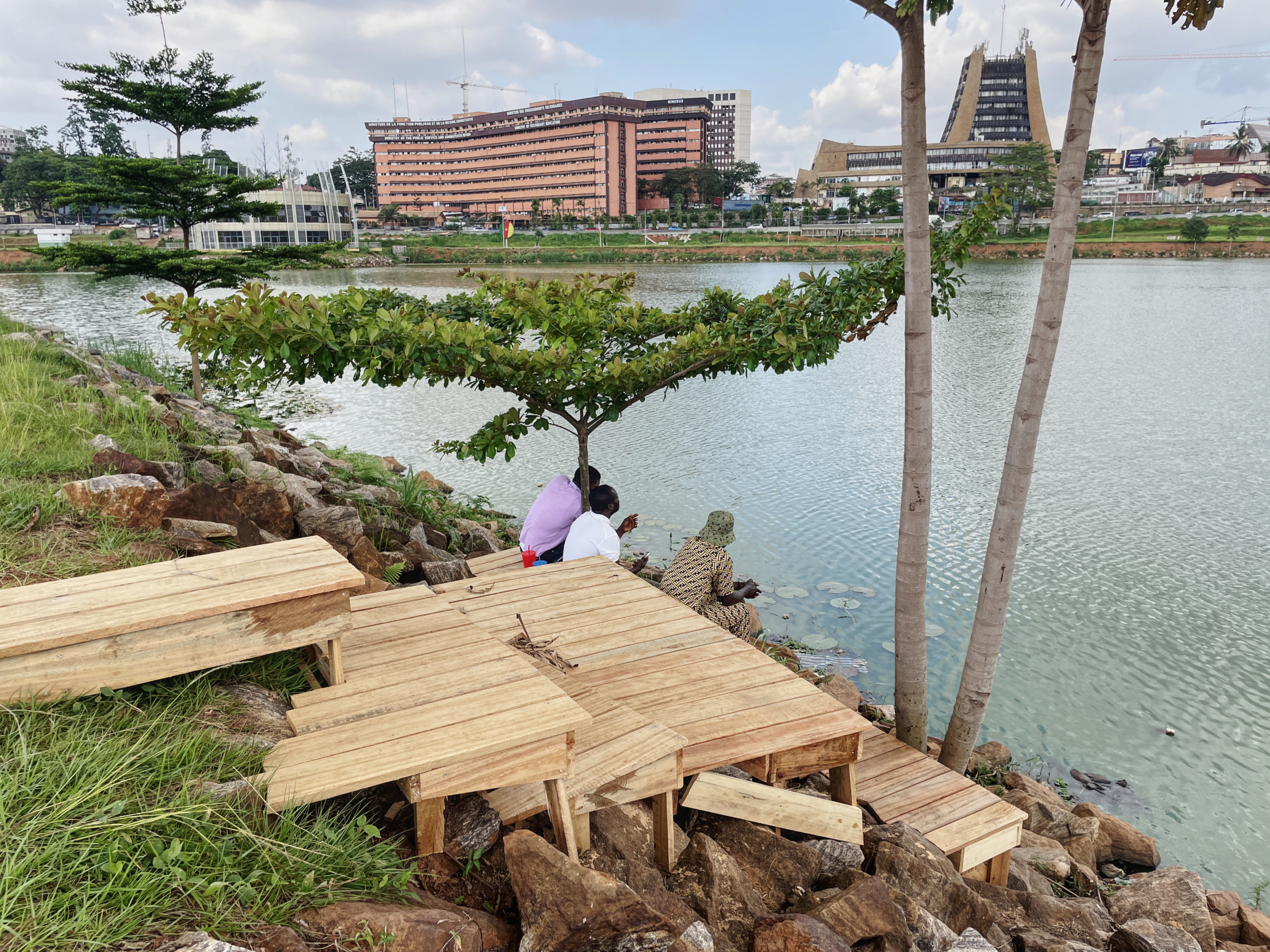
F.C. WATA
Fabrique Collective du Lac Municipal Yaoundé – Cameroon
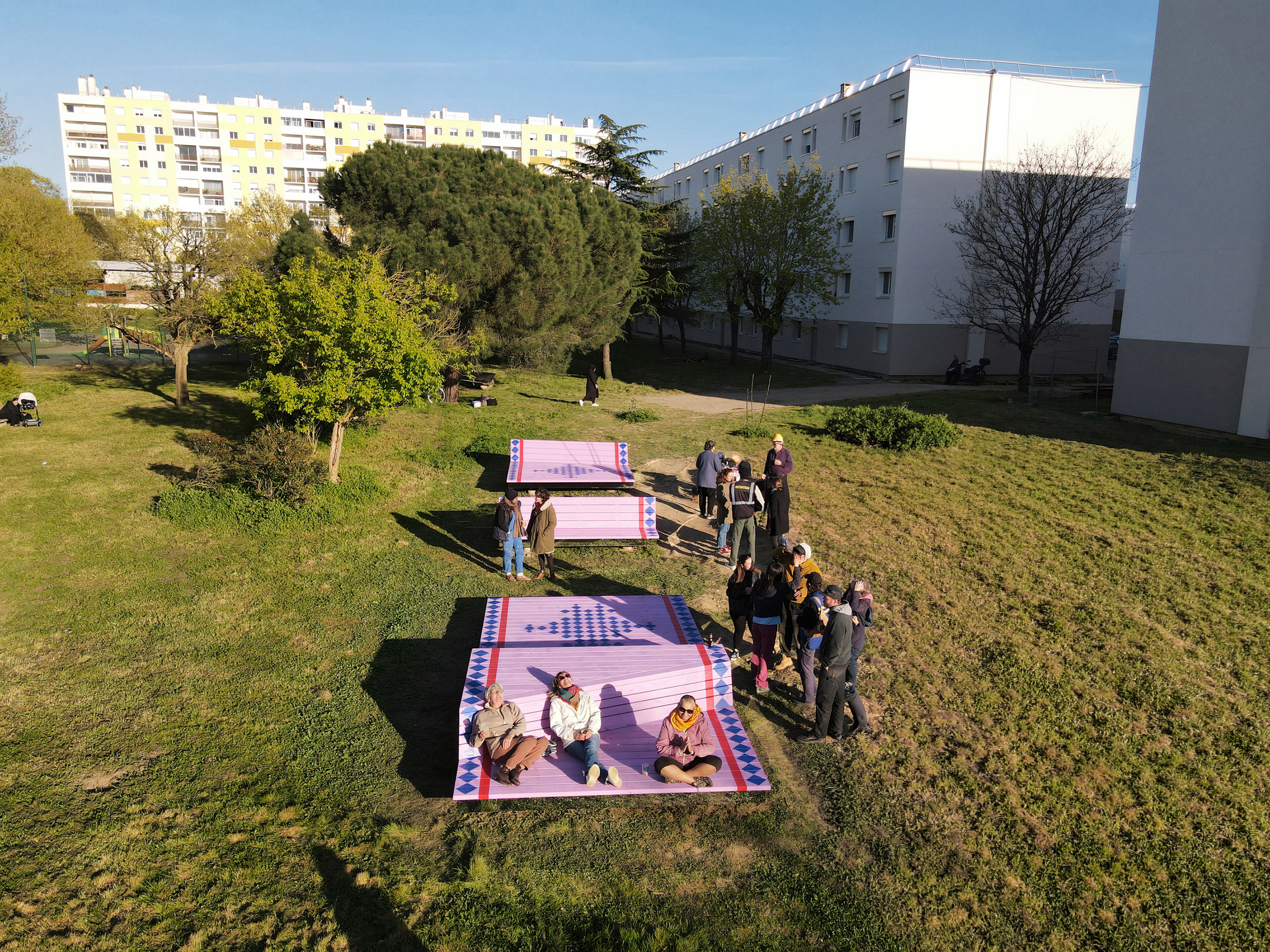
The Flying Carpet
Cenon
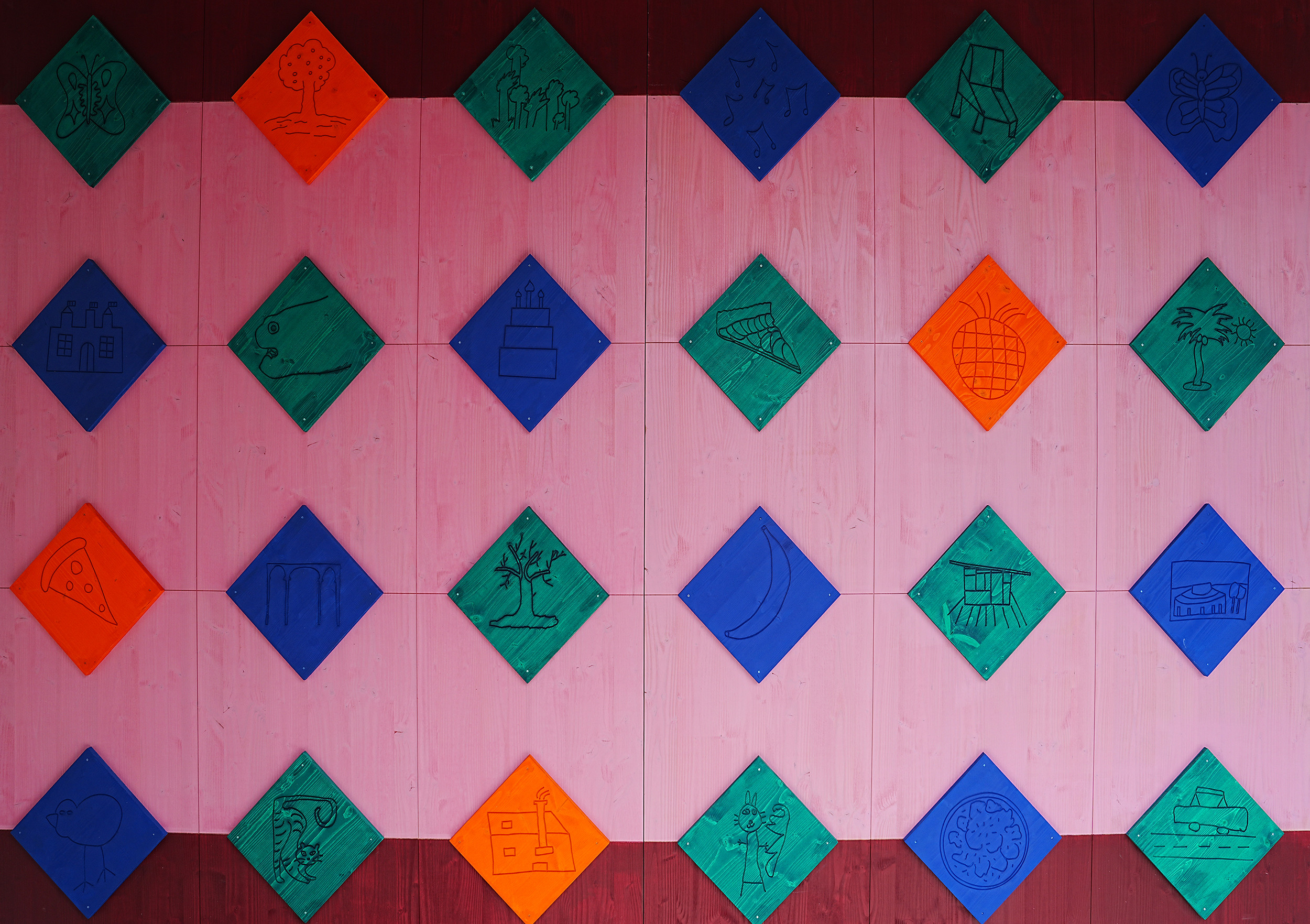
Carved in wood
Bordeaux
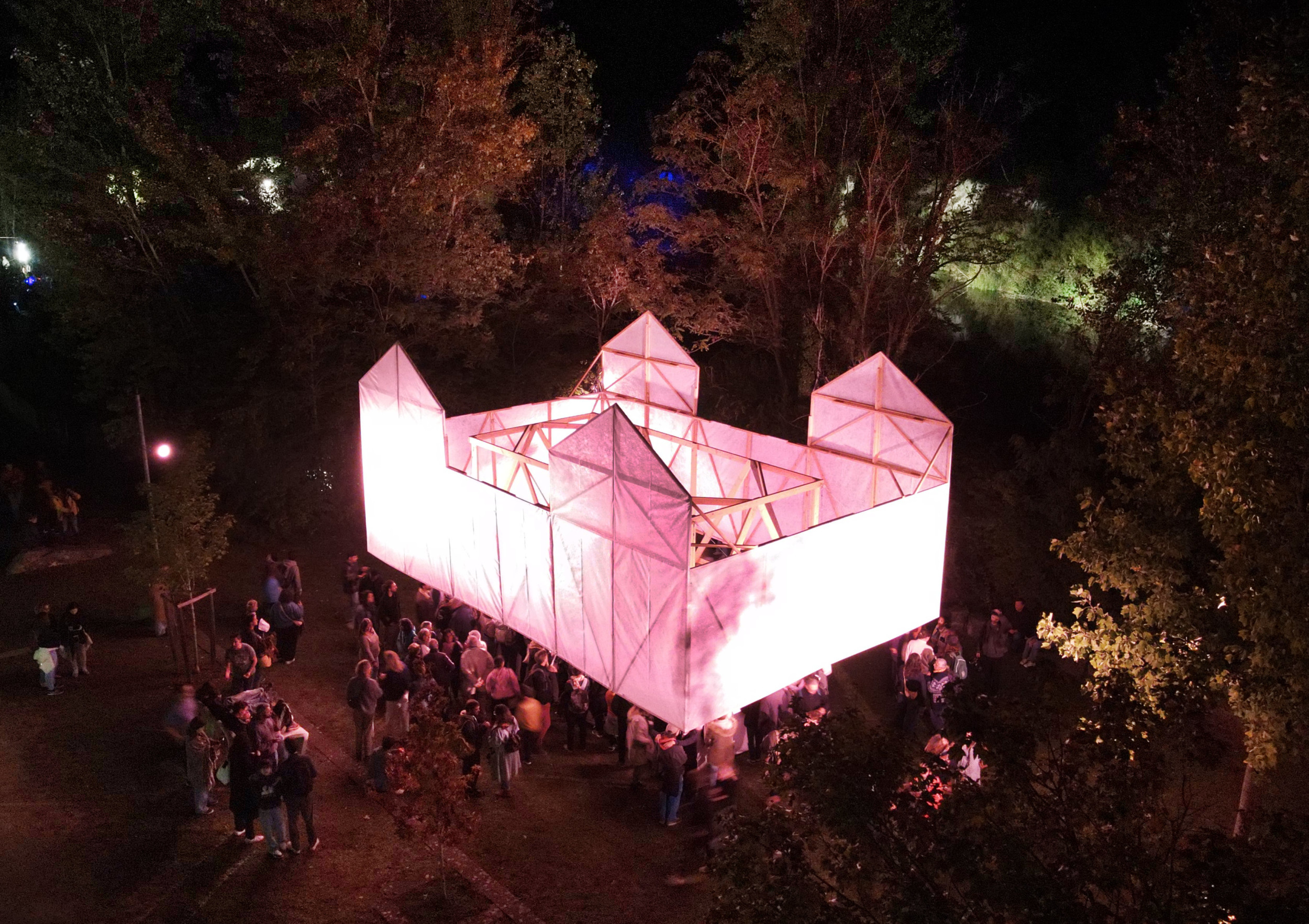
Praline castle
La Nuit Verte, biennale de panoramas Lormont
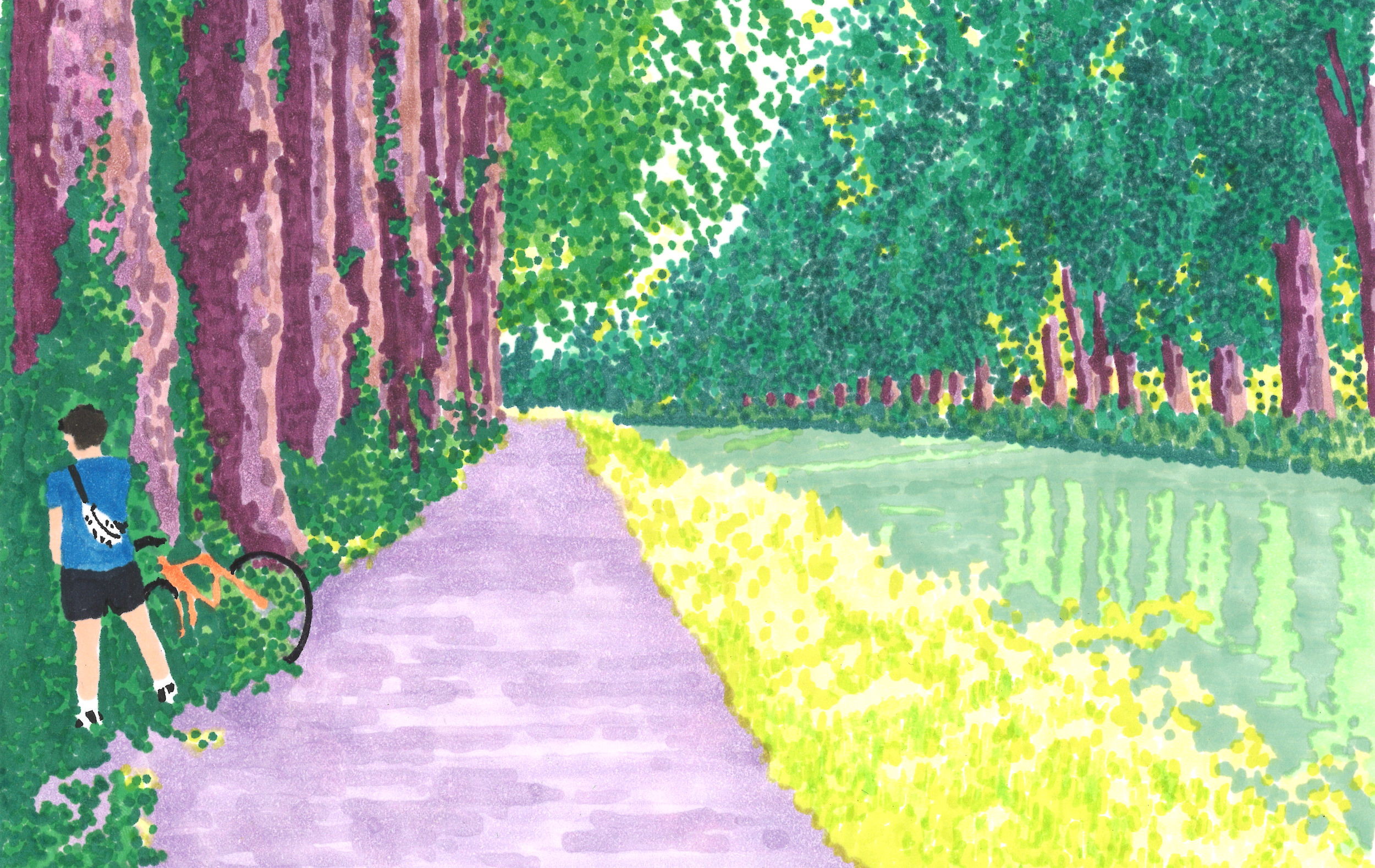
On vacation with Jeannie L #3
An artistic epic on bicycle Bordeaux - piste du canal latéral de la Garonne